
Chronic Health Risks in Trucking: Cultivating Soil Resilience in Variable-Demand Operations
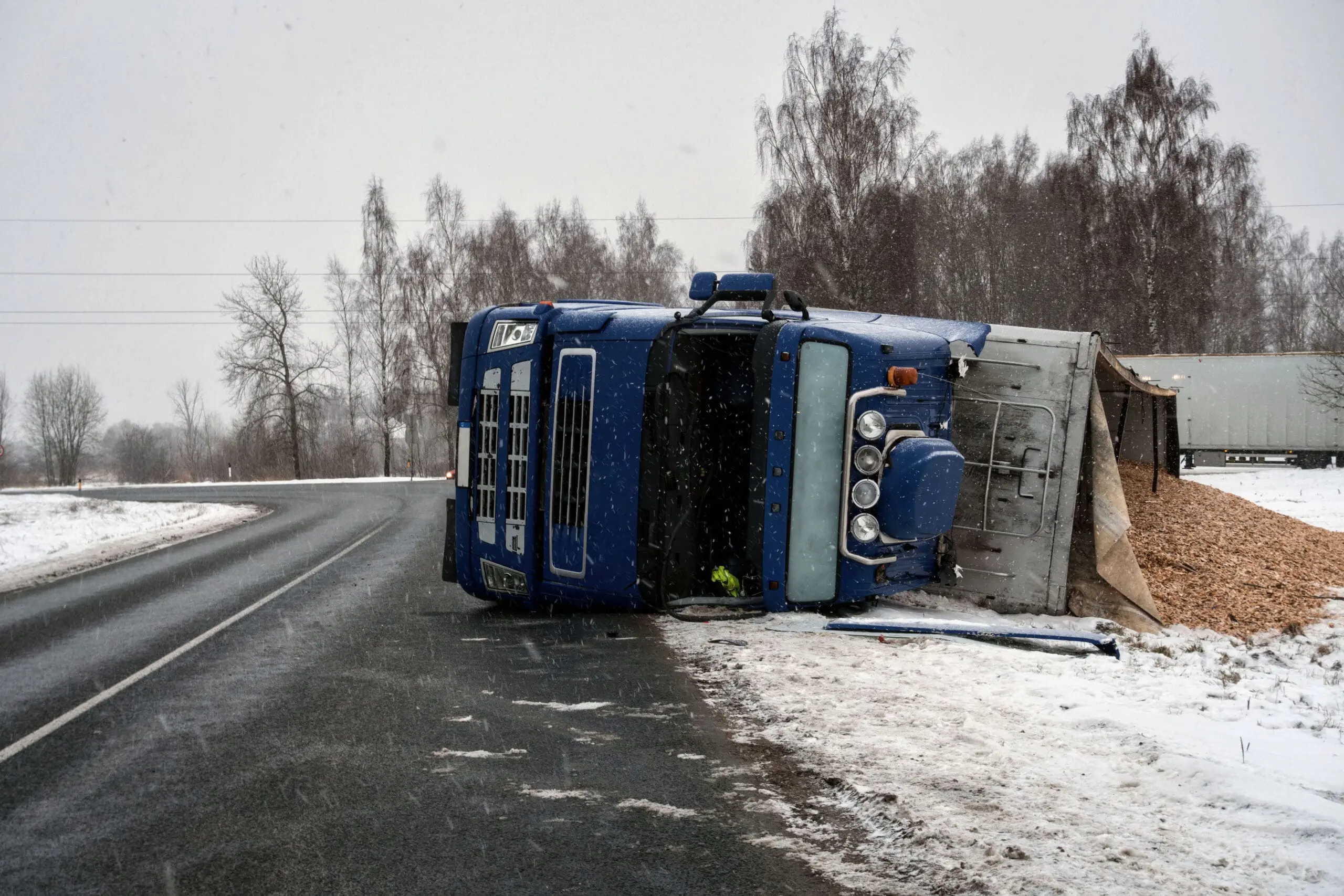
Part 2: Chronic Health Risks in Variable-Demand Operations. Cultivating Soil Resilience in Trucking and Beyond
January 29, 2026
By Humaculture, Inc.
This is the second in a 5-part companion series to ICSL’s analysis of post-COVID health trends and morbidity pressures. In Part 1, we explored how cultivating Organizational “soil” addresses rising chronic conditions across insurance and benefits programs. Here, we apply that framework to variable-demand operations—trucking, bus driving, construction equipment, forklifts, warehouse management, order picking, and similar roles—where the challenge of chronic health risks has been exacerbated.
While ICSL’s companion article, “Trucking Industry Health Crisis – Driver Deaths, Shortages, and Safety Risks,” diagnoses the clinical realities in trucking, Humaculture® focuses on the Organizational solution. We enrich “soil” (Structure, Assets, Processes—the Organization Domain) to build resilient People who thrive and produce Created Value.
As a leader in transportation and logistics, you know the operation runs on reliable People. Drivers who deliver. Warehouse managers who coordinate. Forklift operators who load. Order pickers who fulfill. Yet chronic health risks in trucking and variable-demand roles have exacerbated a manageable challenge into a critical bottleneck. Driver deaths. Persistent shortages. Rising accident severity. Workforce disruptions that ripple through service, safety, and costs.
Traditional responses proved insufficient. Higher pay. Recruiting bonuses. Stricter safety protocols. They slowed the decline but could not stop it. Retention stayed difficult. Accidents persisted. Frustration grew as the operation you built began to strain under health-related exits and disruptions.
But what if the most powerful leverage point lies in the Organizational “soil” that shapes resilience in variable-demand conditions?
The Limitation of Forcing the “Plant” Amid Chronic Health Risks in Trucking
Many operations instinctively reach for direct incentives or stricter rules. They force the “plant” (People) to perform despite irregular schedules, long hours alone, limited healthy food options, and sedentary demands. Generic wellness programs, often delivered through yet another standalone app that adds to fatigue, yield modest results at best. Research shows that less-integrated initiatives quickly lose adherence when they conflict with real-world demands. Brief, embedded routines, by contrast, maintain strong participation and deliver meaningful outcomes.
Temporary periods of constructive challenge can build deeper resilience. Think of focused intensity during peak seasons. Much like a seasonal drought prompts roots to grow stronger and access deeper nutrients. When balanced with adequate recovery, these challenges foster long-term adaptability and strength.
Chronic overload tells a different story. Unrelenting irregular hours without sufficient recovery turn constructive stress into toxic overload. The cost is clear. Elevated burnout. Health deterioration. Depleted long-term resilience. Short-term miles come at the price of sustained safety and retention. This mirrors the trends where chronic conditions drive higher disability, deaths, and crash severity.
The difference lies in consistently feeding the “soil”. We refine Processes to enable natural, sustainable growth.
The Humaculture® Topological Model: A Mentor for Sustainable Cultivation in Variable-Demand Operations
The Humaculture® Topological Model provides leaders with a proven framework. Three Domains interact fluidly without hierarchy to foster purposeful Value Creation. The Dynamic Matrix provides profound insights into the connections (topology) between them.
The cultivated “soil” is the Organization Domain—Structure, Assets, and Processes—that enables the “plants” (People) to thrive within the broader terrain (Environment).
Environment Domain
The broader terrain. Rules (hours-of-service regulations, safety standards), Natural Resources (fuel, equipment, rest facilities, capital for investment), Community (customers, regulators, potential employees).
- Challenges: Constant regulatory adaptation, variable fuel costs, customer pressure for speed, limited healthy food options at rest stops.
- Opportunities: Align external conditions with internal resilience through better rest planning, safety compliance, and partnerships among peer Organizations and vendors to improve access to nutritious food options.
Organization Domain
The cultivated “soil”. Structure (flat governance, route planning hierarchies), Assets (trucks, technology, financial reserves), Processes (Leadership and Operational). Leadership Processes set direction and norms: Strategic Planning aligns long-term routes with health needs; Resource Allocation funds reliable scheduling, equipment, and family-supportive benefits; Skill Development builds advanced safety and fatigue-management capabilities; Community Engagement incorporates customer feedback for realistic timelines; Cultural Nurturing fosters respect and mission resonance; Performance Nurturing provides feedback on routes and well-being. Operational Processes execute day-to-day reliability: predictable dispatching, payroll accuracy, maintenance schedules, compliance workflows, and administrative support for leave or family needs.
- Challenges: Irregular hours, equipment downtime, administrative delays, sedentary lifestyle demands.
- Opportunities: Reliable execution of these Processes creates a well-functioning operation where People rely on consistent management support, fair schedules, and financial stability.
People Domain
The “plants”. Personal Characteristics (age, gender, height, weight, behavioral heuristic), Skills/Training/Education/Experiences (CDL certification, HAZMAT training, Supply Chain Warehousing Certificate), Created Value (safe deliveries, on-time performance, customer satisfaction).
- Challenges: Isolation, sedentary lifestyle, poor nutrition access.
- Opportunities: Refined “soil” enables People to manage variability without chronic overload, producing resilient, healthy, productive Talent.
In variable-demand operations like trucking, effective workplaces do not emerge by accident. They require intentional orchestration of the Dynamic Matrix—meaningful challenge through purposeful work, responsive supervisor support, autonomy over aspects of tasks, co-worker backing through peer networks, respect for contributions, work-life fit with predictable recovery time, fair pay and advancement paths. Research from the Families and Work Institute shows such workplaces yield roughly twice-better health outcomes relative to low-effective workplaces, reducing chronic stress, fatigue-related risks, and claims severity while strengthening retention and safety.
The Decisive Choice: Refine the “Soil”
The turning point comes when the leader chooses intentional cultivation over leaving the Dynamic Matrix uncoordinated. Instead of another bonus program or compliance rule, they reallocate Assets toward merit-based Processes. They embed practical biometric feedback in Performance Nurturing. Adjust scheduling safeguards through Resource Allocation. Align Cultural Nurturing with mission and independence. Foster peer networks and mentorship to build belonging and support.
Published examples show this works. J.B. Hunt fosters belonging through driver appreciation events. Swift Transportation Mentor Program has experienced drivers mentor new ones on real-world skills, safety, and adaptation – focusing on performance improvement and retention through direct peer guidance. PAM Transport Driver Mentor Program allows mentors to earn extra pay while guiding new drivers on routes, safety, and lifestyle management – delivering practical, incentive-driven peer support for job success and resilience. Averitt Express provides paid training with personal driver trainers (experienced peers) for onboarding and skill development, supporting reliability and peer learning. Schneider’s Driver Ambassadors, selected for excellence, advocate improvements to the driver experience. Opportunities remain to develop virtual networks and revive depot meetups, creating informal communities that combat isolation and provide practical co-worker support for job success. These structures activate within Cultural Nurturing and Community Engagement, helping People feel connected despite the road.
Brief daily routines with high adherence have been shown to substantially reduce pain levels and support sustained focus—countering sedentary demands. Deeply integrated workplace resilience programs, including preventive coaching for lifestyle, nutrition, and gut/digestive health, deliver strong multi-dollar returns on investment when designed to attract and retain Talent already inclined toward health. These yield meaningful improvements in chronic disease risk factors, reductions in symptom burden, and corresponding lower medical spending and claims severity—addressing limited healthy food options on the road. Embedded support for health-related absences, when part of broader resilience Processes, significantly shortens disability durations tied to chronic conditions, producing high ROI.
HARS™ (Health, Absence, Resilience Support) is a sub-knowledge set within the Topological Model. It specifically addresses, analyzes, and predicts Process improvements to achieve the Three Promises in health, absence, and resilience areas.
Resolution: Measurable Victory and Renewed Operations
Organizations that consistently feed the Organizational “soil” achieve balanced, lasting success. The resolution is measurable victory: higher People Health Quotient (PHQ) and Organization Health Quotient (OHQ), meaningful reductions in disability costs and absenteeism, stronger retention and engagement, substantially multiplied Created Value, and a renewed operation ready for the next cycle.
For leaders in transportation and logistics facing chronic health risks in trucking, the results include:
- Economic. Strong multi-dollar returns on investment. Meaningful reductions in medical spending, disability costs, insurance premiums, and indirect disruptions. Easier recruiting of ideal drivers. Reduced turnover. More drivers passing DOT health examinations. Fewer safety incidents. This results in recovered productivity that directly protects operational stability.
- Effectual. Tangible risk reduction. Lower chronic disease progression. Decreased accident severity. Faster recovery from health events. This supports measurable declines in the key post-COVID morbidity drivers.
- Emotional. Authentic resonance through merit-based recognition, constructive challenge, and mission alignment. This builds voluntary engagement and retention rather than dependency or resentment.
The outcome is multiplied Created Value. Higher retention. Safer miles. More stable operations. Reduced shortages and disruptions. The operation becomes self-reinforcing. Resilient People produce sustainable fruit cycle after cycle.
Next week, in Part 3, we’ll examine chronic condition surges and broader workforce impacts. Companion to ICSL’s focused analysis.
Take the First Step
As a starting point, contact Humaculture® for a review of your medical, disability, workers’ compensation, and absenteeism data, mapped to the Dynamic Matrix. We’ll identify leverage points to cultivate resilience and Created Value in your unique terrain.
Read the companion ICSL article for the full view of trucking challenges. Join us in building operations where People don’t just endure variability. They flourish within it.
Contact us if you would like to learn more or have your data analyzed.
LinkedIn: humaculture-inc
Humaculture® — Cultivate Organizations, Grow People.


